
From berries to almonds: the expanding role of Nanobubbles in horticulture

Interest in nanobubble irrigation for almond orchards is beginning to grow internationally as researchers and growers look for ways to improve root-zone oxygen and water use efficiency.
Nanobubble technology is already helping growers improve irrigation performance across a range of crops, in particular when integrated into hydroponic and protected cropping systems. As results continue to build, attention is now turning toward how nanobubbles could support other horticultural systems, including almond orchards.
While almond producers have not yet widely adopted nanobubble irrigation, the underlying science and early international trials suggest it could offer meaningful benefits for orchard systems.
Why irrigation performance matters in almond orchards
Almond trees require consistent irrigation throughout the growing season to support canopy development, nut formation, and overall tree health. However, orchard irrigation systems often face several challenges:
High seasonal water demand
Soil compaction limiting infiltration
Root-zone oxygen deficiencies
Salinity accumulation in some soils
Increasing pressure to improve water efficiency
Even when irrigation systems deliver the correct volume of water, not all of that water is effectively used by the plant. Factors such as soil quality, oxygen availability, and root health can significantly influence how efficiently trees absorb water and nutrients.
This is where nanobubble technology may offer a new opportunity.

What are nanobubbles?
Nanobubbles are extremely small gas-filled bubbles, typically less than 200 nanometres in diameter, that are infused into irrigation water.
Unlike ordinary bubbles that quickly rise and burst, nanobubbles remain suspended in water for extended periods, dramatically increasing dissolved oxygen levels and allowing oxygen to travel with irrigation water directly into the root zone.
Because of their size and stability, nanobubbles can:
Increase oxygen availability around plant roots
Improve water infiltration into soils
Enhance nutrient uptake
Support beneficial microbial activity
Create mild oxidative effects that can help suppress certain pathogens
These properties are why nanobubbles are increasingly being explored across a range of agricultural systems.
Why almond production can benefit from nanobubble irrigation
Almond orchard performance relies heavily on healthy root systems and efficient water uptake. Roots must remain active and well-oxygenated to absorb nutrients and maintain tree health throughout the season.
In soils where oxygen levels drop or irrigation infiltration is limited, root stress can develop, reducing tree performance and increasing susceptibility to diseases like Phytophthora.
Nanobubbles offer a way to improve oxygen availability in the root zone while irrigation is occurring, supporting stronger root systems and better nutrient absorption, reducing the presence and impact of disease.
In addition, improved water infiltration can help irrigation penetrate deeper into the soil profile, improving water use efficiency, plant uptake, and reducing surface evaporation losses.
For almond growers managing large irrigation systems, even small improvements in water efficiency or tree health can translate into significant productivity gains across an orchard.
What overseas research and trials suggest
Although nanobubble technology is still an emerging tool in almond production, trials conducted in horticultural systems internationally have shown promising results.
In almond orchard studies in California, nanobubble-treated irrigation water has been associated with:
Improved soil structure and infiltration
Increased root development
Stronger canopy growth
Higher proportions of larger fruit size categories
While results vary depending on soil conditions, irrigation practices, and orchard management, the underlying principle remains the same: improving the root-zone environment can support healthier, more productive trees.
Why growers are watching this space
Across global agriculture, growers are under increasing pressure to:
Improve water use efficiency
Reduce reliance on chemical inputs
Maintain yields under more challenging environmental conditions
Technologies that improve how effectively irrigation water works in the soil are becoming increasingly valuable.
Nanobubbles represent one of several emerging approaches focused not on increasing water supply, but on making each drop of water work harder.
Looking ahead
While Nanobubble Agritech’s current installations are focused primarily on dairy irrigation and horticultural crops such as berries and vineyards, interest in applying the technology to orchard systems is growing.
As more growers explore ways to improve water efficiency, soil health, and crop resilience, almond orchards may prove to be another environment where nanobubble technology can deliver meaningful benefits.
The opportunity is clear: stronger, healthier roots, better soil quality, and improved irrigation performance translating to higher orchard productivity.
Frequently Asked Questions
Can nanobubbles be used in almond orchards? Yes. While nanobubble irrigation is still an emerging technology in almond production, early international research and trials suggest it may help improve root-zone oxygen levels, water-use efficiency, and overall tree performance.
How do nanobubbles improve irrigation efficiency in almond orchards? Nanobubbles increase dissolved oxygen in irrigation water and can improve water infiltration into the soil profile. This may help roots absorb water and nutrients more effectively, allowing trees to make better use of available water.
Can nanobubbles help reduce disease pressure in almond trees? Healthy roots are naturally more resilient to stress and disease. By improving oxygen availability and supporting beneficial microbial activity, nanobubbles may help create root-zone conditions that are less favourable for certain soil-borne diseases.
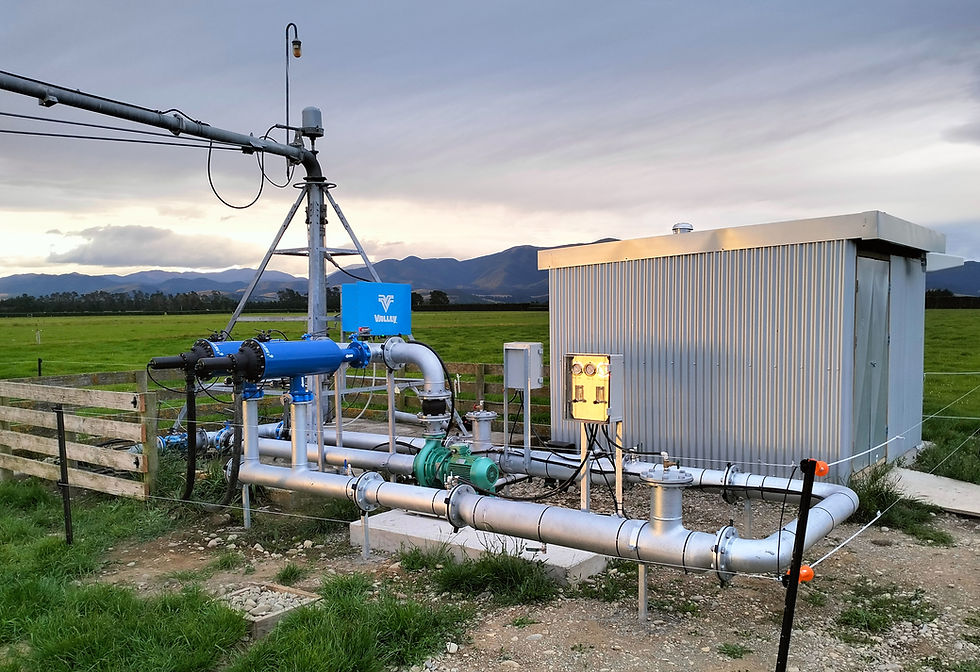
Do nanobubbles require major irrigation changes or new infrastructure? No. Nanobubble systems can often be integrated into existing irrigation systems, allowing growers to improve irrigation performance without replacing their current infrastructure.
Why are growers interested in nanobubbles for horticulture? Growers are increasingly looking for practical ways to improve water efficiency, reduce chemical reliance, and maintain productivity under more challenging growing conditions. Nanobubbles are gaining attention because they may help achieve these outcomes while integrating into existing farming systems.
Curious about how nanobubbles work?
If you're interested in learning more about nanobubble irrigation and the results already being seen in horticulture and dairy systems, explore the resources below.
You can read more real-world case studies from growers using nanobubble technology here: https://www.nanobubbleagritech.com/casestudies
Download our free e-book: Supercharging Irrigation Profitability
Or get in touch with the Nanobubble Agritech team to discuss how nanobubble irrigation could fit into your farm or orchard system: https://www.nanobubbleagritech.com/contact


Comments