
How Nanobubbles help combat soil-borne disease in berry production

Soil-borne disease is one of the most persistent and costly challenges facing berry growers. Pathogens such as Pythium, Phytophthora, and Fusarium can quietly undermine root health, reduce plant vigour, and significantly impact yields, often before symptoms are visible above ground.
As growers look to reduce reliance on chemical controls, interest is growing in alternative approaches that improve plant health from the root zone up. One of the most promising of these is nanobubble technology.
Why soil-borne disease is such a challenge in berry crops
Berry crops are particularly susceptible to soil-borne disease due to their growing environments. Whether grown in substrate, pots, or soil, berries typically have:
High irrigation frequency
Moist root zones
Dense root systems
Limited tolerance for waterlogging or poor oxygen availability.
While these conditions support strong growth, they can also create an ideal environment for harmful pathogens to thrive, especially when oxygen levels in the root zone are low.
Traditional control methods often rely on chemical treatments, which can be costly, labour-intensive, and increasingly restricted. In some cases, excessive chemical use can also suppress root and plant growth or disrupt beneficial soil biology, compounding the problem rather than solving it.
The role of oxygen in root health and disease suppression
Healthy roots require oxygen. In well-aerated environments, roots are better able to:
Absorb nutrients efficiently
Maintain strong metabolic activity
Support beneficial microbial communities
When oxygen levels drop, root systems become stressed and more vulnerable to disease. Many soil-borne pathogens thrive in low-oxygen, anaerobic conditions (meaning poor aeration can significantly increase disease pressure).
This is where nanobubble technology offers a fundamentally different approach.
What are Nanobubbles?
Nanobubbles are microscopic gas-filled bubbles measuring less than 200 nanometres in diameter. Their extremely small size gives them unique physical properties that set them apart from conventional aeration methods.
Unlike larger bubbles, nanobubbles:
Remain suspended in water for extended periods
Dramatically increase dissolved oxygen levels
Travel with irrigation water directly to the root zone
Create a mild oxidative effect upon collapse.
This allows oxygen to be delivered where it is needed most, in a form that simultaneously enhances growth and suppresses harmful pathogens.
How Nanobubbles help reduce soil-borne disease pressure
Nanobubble technology supports disease management through two key mechanisms:
Improved root zone oxygenation:
By significantly increasing dissolved oxygen levels in irrigation water, nanobubbles help create a more aerobic environment. This:
Strengthens root systems
Reduces plant stress
Makes conditions less favourable for anaerobic pathogens such as Pythium and Phytophthora
Healthier roots are better able to resist disease and recover more quickly from stress events.
Supporting a healthier microbial balance:
Nanobubbles also influence the biological balance within the root zone. Increased oxygen availability supports beneficial organisms such as mycorrhizae and other helpful microbes, which play an important role in nutrient cycling and natural disease suppression.
Additionally, when nanobubbles collapse, they create a mild oxidative effect in the water, which can help suppress certain harmful microbes without damaging plant tissue or beneficial biology. This contributes to improved water quality and reduced pathogen pressure over time.
Proven in berry production environments
Trials and commercial applications in berry growing environments have shown that nanobubble-treated crops often exhibit:
Greater root mass and vigour
Improved plant consistency
Reduced disease incidence
Stronger overall crop performance
These outcomes are particularly valuable in systems where disease pressure is difficult to manage and chemical options are limited.

Case Study: Windermere Berry Farm, New Zealand
Windermere Berry Farm, a large-scale berry operation growing strawberries under tunnel houses in Wanganui, New Zealand, was seeking a chemical-free way to improve plant health and crop performance.
To assess the impact of nanobubble technology, Windermere implemented a controlled trial across its strawberry tunnels. One group received standard irrigation water, while another received oxygen nanobubble-treated water, delivered through the existing irrigation system.
The results were compelling:
23% increase in yield across nanobubble-treated tunnels
Improved plant vigour, with stronger and more uniform growth
Reduced susceptibility to pest and disease pressure, attributed to healthier root systems.
According to Windermere’s Managing Director”
“Plants grown with oxygen nanobubble water were bigger, had more vigour, and were less prone to attacks from pests. The 23% increase in yield exceeded our initial expectations and we are very happy with the result.”
The trial demonstrated how improving root zone conditions with oxygen nanobubbles, rather than relying on chemical intervention, can deliver meaningful performance gains in berry production systems.
A chemical-free, integrated approach
Nanobubble technology is not positioned as a replacement for all disease management tools, but rather as a complementary solution that strengthens plant resilience and reduces reliance on chemical intervention.
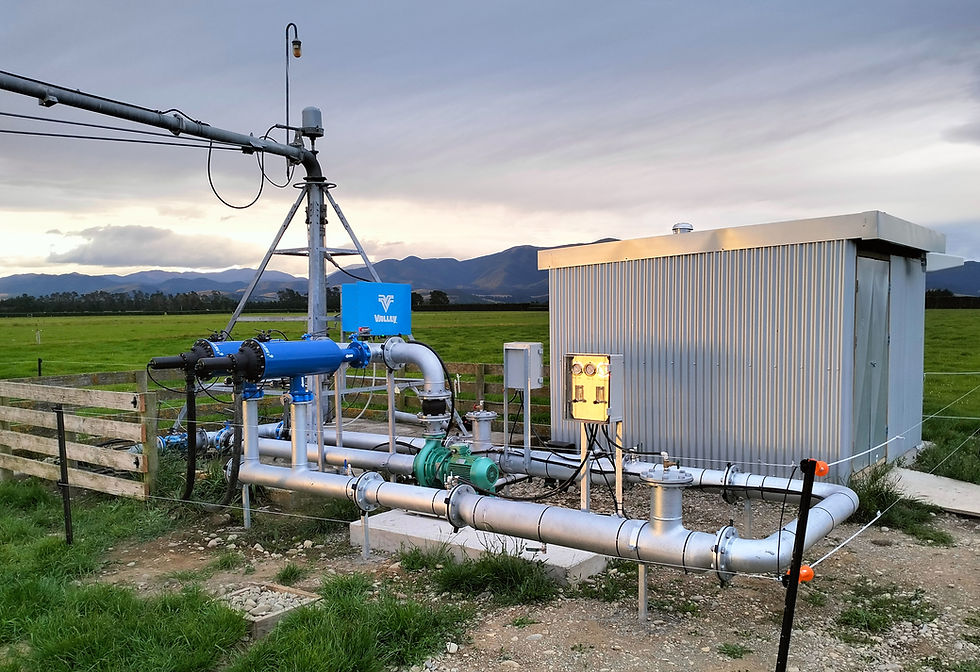
Because nanobubbles are delivered through existing irrigation systems, they:
Require no additional labour
Introduce no chemical inputs
Do not disrupt fertigation or irrigation schedules
For berry growers, this means improved root health and disease resilience without adding complexity to day-to-day operations.
Looking ahead
As berry growers continue to seek sustainable, effective ways to manage soil-borne disease, technologies that improve root health and growing conditions, rather than simply treating symptoms, will play an increasingly important role.
Nanobubble technology offers a practical, scalable solution that works with existing irrigation infrastructure, helping growers protect plant health, improve resilience, and support long-term productivity.
If you’d like to learn more about how nanobubble technology can support root health and disease management in your berry operation, get in touch with the Nanobubble Agritech team or explore our full range of case studies on our website.
Frequently Asked Questions
Can nanobubbles reduce soil-borne disease in berry crops? Nanobubbles are not intended to replace all disease management practices, but they may help reduce disease pressure by improving root-zone oxygen levels and supporting healthier growing conditions. Healthier root systems are often more resilient to stress and soil-borne pathogens.
How do nanobubbles help suppress pathogens such as Pythium and Phytophthora? Nanobubbles increase dissolved oxygen in irrigation water, creating a more aerobic root-zone environment. This can make conditions less favourable for anaerobic pathogens such as Pythium and Phytophthora while supporting beneficial microbial activity.
Can nanobubbles replace chemical treatments in berry production? Nanobubble technology is best viewed as a complementary approach rather than a complete replacement for existing disease management tools. It may help reduce reliance on chemical inputs by improving plant health and resilience.
Can nanobubble systems be integrated into existing berry irrigation systems? Yes. Nanobubble systems can typically be integrated into existing irrigation infrastructure, allowing growers to improve water quality and root-zone conditions without significant operational changes.
What results have growers seen from nanobubble irrigation in berries? Trials and commercial applications have shown improvements including stronger root systems, improved plant vigour, reduced disease pressure, and increased yields. At Windermere Berry Farm in New Zealand, nanobubble-treated strawberries achieved a 23% increase in yield alongside healthier and more consistent plant growth.
Useful links
You can read more case studies on the Nanobubble Agritech website: https://www.nanobubbleagritech.com/casestudies
Check out our website for more about Nanobubble Agritech: About Nanobubble Agritech | Innovating Smarter Irrigation Solutions
Download our free e-book: Supercharging Irrigation Profitability
Talk to our team about what’s possible: https://www.nanobubbleagritech.com/contact


Comments